Find where the water gets in, then choose who fixes it.
That basement stain keeps coming back. Look uphill for where the water gets in.
The stain on your basement wall returns every March, and the repaint never lasts. On a Montclair hillside the water can come across the slope and enter on the uphill side, not up through the floor. Tell us which wall gets wet and when. We help you book an assessor who looks uphill first, then a separate company for any removal or drying. Water there right now? Call, and drying comes first.
We credit $100 on your first booked job in Montclair.
We help you book a moisture and mold assessment first, then a separate company for any cleanup or drying, starting uphill of the stain.
The Uphill Side promise
- Talking to us is free and commits you to nothing.
- We point you uphill of the stain before anyone talks removal.
- Your assessor and your remover will be different companies.
- Your $100 is applied exactly as the offer terms are written.
Every contractor you hire answers to your agreement with them.
Mold Removal Montclair, (315) 640-3590
Read the termsThe hillside
Why the damp wall may not be the wet wall
Start with the slope, because the slope decides which wall the water meets first.
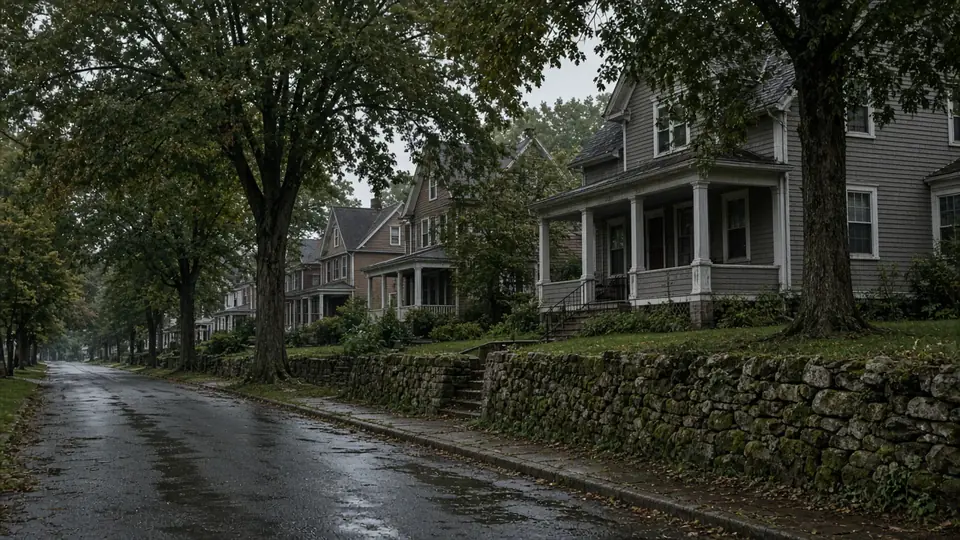
The First Watchung Mountain runs along Montclair's western and southern borders, and the ground steps down toward Bloomfield on the east.
Montclair's soil maps show shallow rock and soils that hold perched water. The USDA describes Boonton soil as holding a perched water table from November to May.
A perched table is water that stops on a tight layer above the rock. It cannot sink, so it can move downhill and sideways. The Haledon soil description records sideways seepage, common where a slope breaks.
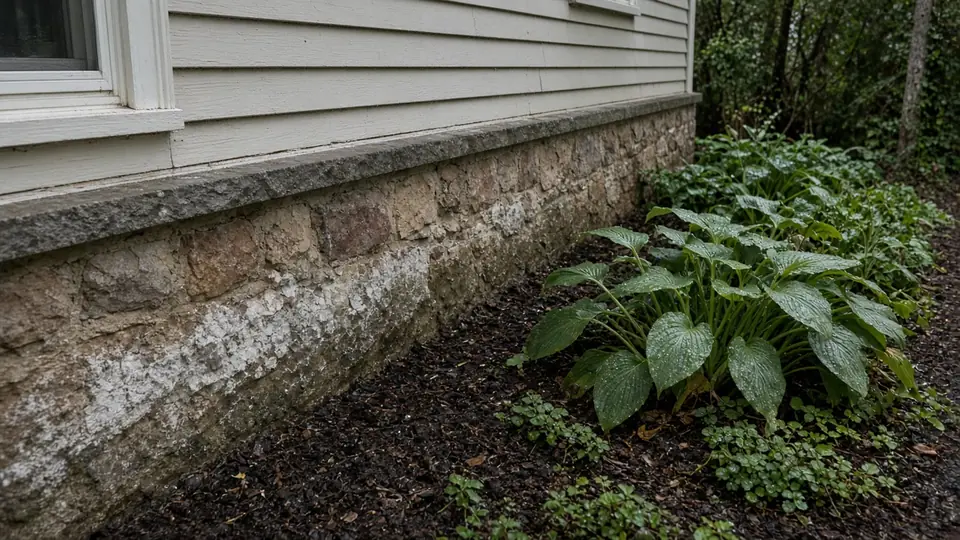
That is why the stain can sit on one wall while the entry point sits on another. Paint or a dehumidifier in the stained corner may change little. Walk to the wall that faces the higher ground, look there first, and tell your assessor what you find.
- 1
Ridge Which side is uphill
The west and south edges follow the First Watchung Mountain.
- 2
Shallow rock When the damp shows
In Holyoke soils, hard bedrock lies 10 to 20 inches down.
- 3
Perched water Bare or finished
Soil water sits above the rock from November to May.
- 4
Basalt Under your street
Water moves through joints in the rock, not through pores.
- 5
Old foundation Which side is uphill
More than half of Montclair homes date from 1939 or earlier.
- 6
Uphill wall When the damp shows
Seepage can meet the wall that faces the higher ground.
- 7
The stain Bare or finished
The stain can show lower down, or on another wall.
- 8
Slope break Under your street
Seepage is common where the slope flattens or breaks.
Questions
Questions to settle before anyone opens a wall
Which wall of my basement should I look at first?
The wall that faces the higher ground. On a slope, soil water can arrive on the uphill side, and the stain may show somewhere else. Check that wall for efflorescence, a damp line or a rust stain, then tell your assessor which months it shows.
Why does the stain return after I paint over it?
Paint covers the mark but does not stop the water. If the entry point is on the uphill side, the next wet season sends water to the same place. Find the route first, then decide what needs removing or drying.
Do I need an assessor before a remover?
Usually yes. An assessor who does no removal has nothing to sell you after the survey. The assessor tells you what is wet, what is moldy and where the water enters. Then you can ask removers for scopes that match. If a contractor quoted a tear-out on the spot, ask what showed them where the water enters.
Is Mold Removal Montclair the company that does the job?
No. We help you book the assessment first and later a different company for cleanup or drying. We carry out none of the work and hold no trade license. Our part is the questions you bring to each company.
I am buying a house here. When should I book?
As soon as the contract or the inspection report raises a damp basement. Read the seller's flood answers first. Then book the assessment while there is still time to negotiate, and ask the assessor to check the uphill wall.
My wall only gets damp in summer. Is that the same problem?
Not always. Summer dampness can come from humid air meeting a cold masonry wall, with no leak at all. Tell the assessor the months. They can check the wall, the air and the uphill side before anyone proposes removal.
What decides what a job costs?
The size of the wet area, whether finished walls come out, how many entry points there are, containment and drying time. The contractor sets the price. Request a written scope from each company, and compare those first.
Which towns do you help in?
Clifton in Passaic County, plus Millburn, Livingston, Caldwell, West Orange, Belleville, Nutley, Cedar Grove, Verona, Bloomfield, Glen Ridge and Montclair in Essex County. Pick yours on the areas page to see how the ground lies there.
The walk
Four checks to make before anyone arrives
A flashlight and a notebook are enough for the first pass.
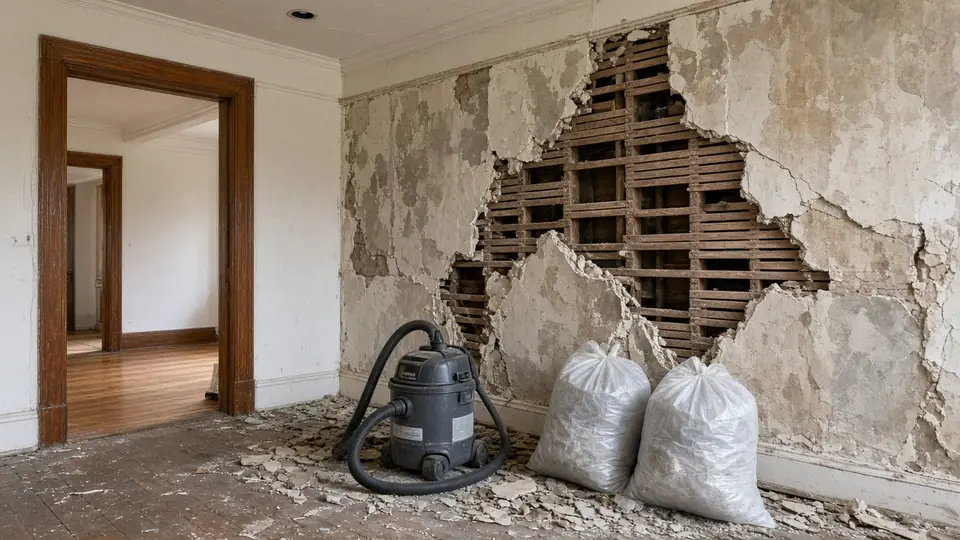
Take both to the basement and answer the four questions on the card. Which wall faces uphill, in which months it turns damp, whether it is bare masonry or a finished wall, and what runs under your street.
Give the notes to whoever you book. An assessor who starts from your answers can skip the guessing and go straight to the likely entry point. If you are not sure about an answer, say so. A guess written down as fact sends the survey the wrong way.
The calendar
What the months tell you about your wall
The month the damp shows is a clue about the cause.
If your wall turns damp in late winter and spring, soil water is a likely cause. Essex County's hazard plan puts the highest water tables in late winter and early spring.
If the wall only turns damp in July and August, humid air is a likely cause. Newark's climate normals put the dew point at 60 degrees or higher for nearly every hour of those two months. A cold masonry wall can then collect moisture with no leak at all.
Either way, tell the assessor the months. It changes where they look first, and it keeps you from paying to chase the wrong cause.
- 1
Perched water November to May
Soil water sits above the rock and moves downhill.
- 2
Thaw and rain Late winter to spring
Melt and spring rain add to water already in the ground.
- 3
Ground drains May or June to October
The water table drops, and is lowest in September or October.
- 4
Humid air July and August
Muggy air can wet a cold old wall with no leak.
Three jobs
The three jobs you may need, and who does each
Each job goes to its own company, and you choose them in order.
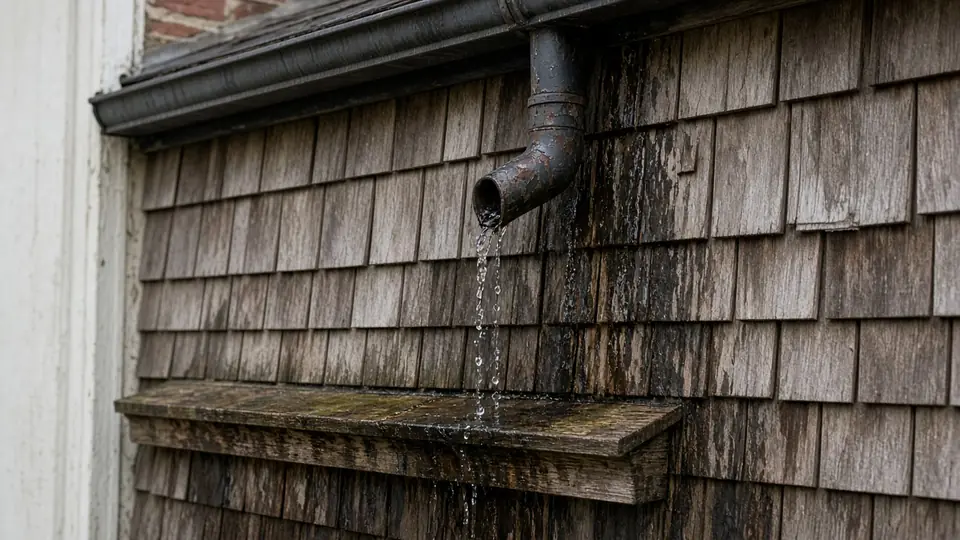
- Uphill-First Moisture and Mold Assessment finds the entry point and writes down what is wet, what is moldy and why. Book it before anything is torn out.
- Mold Remediation to the Written Plan removes what the survey found. Ask who confirms the result afterward.
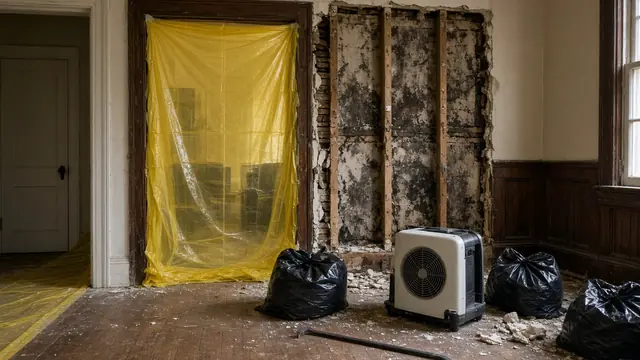
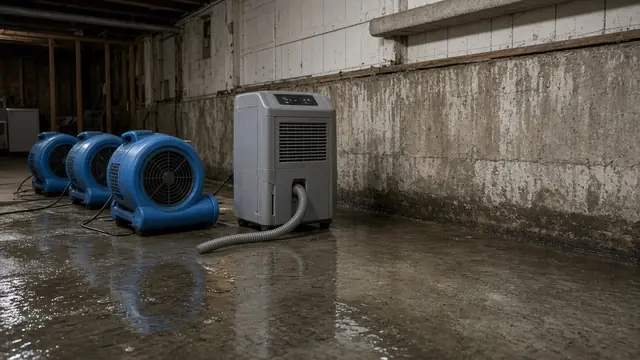
- Water Damage and Wet Basement Drying dries the structure and closes the path the water took. Fresh leaks may need it first.
We are not any of the three companies. We help you book the assessment and tell you what to ask the others.
The order
Survey, remove, then fix the path
The order protects you from paying twice.
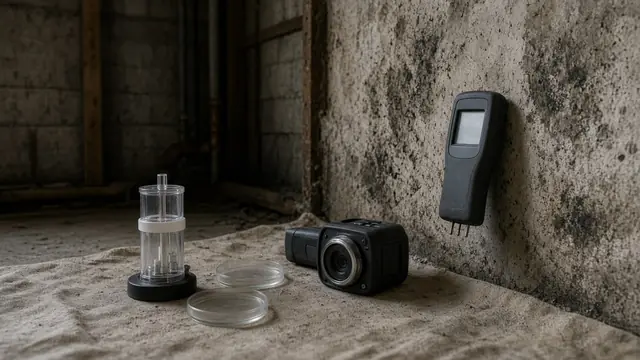
Start with the survey. An assessor who will not do the removal has no reason to look anywhere but where the water enters. Then a separate company removes what the survey found, working from the written plan. Last, someone dries the area and closes the route the water took.
If a contractor already quoted a tear-out, ask what showed them where the water gets in. A removal price given before a survey is a guess.
When the water is a fresh leak, drying can come first. The EPA says quick action in the first 24 to 48 hours can head off mold growth. If your wall got wet this week, call before you read further.
No state body certifies mold companies, so you arrange the separation yourself. Booking the assessment first is how you arrange it.
- 1
Survey the uphill side
An assessor finds the entry point before the stain.
- 2
Remove what is damaged
A separate company takes out what the survey found.
- 3
Dry and fix the path
Dry the wall, then close the route the water took.
Twelve towns
Your slope, town by town
Where you live on the hill changes the first question to ask.
Montclair sits on the slope itself. Glen Ridge runs along the ridge line, and Verona sits between the First and Second Watchung Mountains. Belleville and Nutley run down to near sea level. Clifton, in Passaic County, climbs from sea level to about 415 feet.
Pick your town on the areas page and read how the ground lies there. Then book from that page, so the first question you answer is the one that fits your hill.
- 4VeronaRidge
- 8West OrangeSlope
- 5Cedar GroveSlope
- 1MontclairSlope
- 10LivingstonSlope
- 11MillburnSlope
- 9CaldwellSlope
- 2Glen RidgeSlope
- 3BloomfieldValley floor
- 6NutleyValley floor
- 7BellevilleValley floor
- 12CliftonValley floor
- Montclair (township, on the slope)
- Glen Ridge (borough, on the slope)
- Bloomfield (township, on the valley floor)
- Verona (township, on the ridge)
- Cedar Grove (township, on the slope)
- Nutley (township, on the valley floor)
- Belleville (township, on the valley floor)
- West Orange (township, on the slope)
- Caldwell (borough, on the slope)
- Livingston (township, on the slope)
- Millburn (township, on the slope)
- Clifton (city, on the valley floor)
Old houses
Old houses, finished basements and the paperwork around them
The age of the house changes what sits behind your wall.
The American Community Survey estimates that the typical Montclair house dates to 1938. About 59.4 percent of its homes went up before 1940.
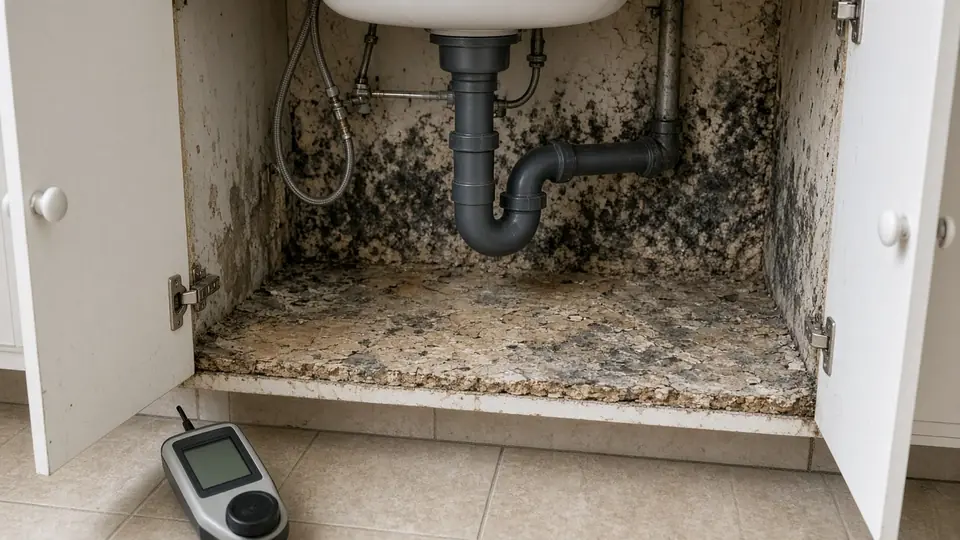
Many of those basements were later finished with studs, insulation and drywall against masonry. The state health department warns that mold can grow unseen in basements and behind walls. If your basement is finished, ask the assessor whether the wall behind the drywall is part of the survey.
If you are buying, P.L.2023 c.93 requires the seller to say whether the home has had flood damage, seepage or pooled water. Read those answers, then ask an assessor what to check before your closing date.
If you rent, your landlord must give you a signed flood rider before you sign or renew. Keep it, and tell us what the wall shows. If your landlord calls the damp just humidity, the months tell you more: see the renter guide.
Cost
What moves the cost of a job
Nobody can honestly name a price before they have seen the wall.
The company you hire sets its own price. These are the things that move it, so you can ask about each one.
- How far the wet area reaches along the wall.
- Whether finished walls must come out to reach it.
- How many places the water gets in.
- How much containment the work needs.
- How long drying takes before repairs.
- Whether the path the water took is fixed.
Ask each company for a written scope before you agree to anything, and compare scopes before you compare totals. Ask what each visit costs before it starts. If a company wants to start tearing out before anyone has found where the water enters, ask for the survey first.
- 1
Where does the water get in, and how do you know?
Look for the uphill wall, not only the stain.
- 2
Who checks the result after the work?
Someone besides the remover should confirm the job.
- 3
What happens to the path the water took?
Removal alone leaves the entry point open.
Next steps
How booking works
- 1
Tell us
Tell us which wall gets wet, and in which months.
- 2
Book the survey
Book an assessor who checks the uphill side before the stain.
- 3
Choose the fixer
Pick the removal or drying company yourself; sign nothing before.
Guides
Read before you decide
Why Your Montclair Basement Stays Damp
How water crosses the hill into your basement.
New Jersey Rules to Ask About Before You Hire
Five papers to ask for before you hire anyone.
Damp Walls in a Rented Montclair Apartment
Notes, photos and a letter for renters with damp walls.
What the Paper Should Say Before You Pay for Work
A checklist for the report you are about to pay for.
What Moves the Cost of a Mold Job
Nine things that move the cost, and what to ask.
Water in the Basement: the First Two Days
First hours, then the route.
We credit $100 on your first booked job in Montclair.