The three jobs
Which job is yours: the survey, the removal or the drying?
A damp basement can need one job or all three, and each should come from its own company. Pick the situation below that sounds like yours, then call us or send the form. We help you book the survey first, and tell you what to ask the others.
Find where the water gets in first. No commitment to ask.
We help you book a moisture and mold assessment first, then a separate company for any cleanup or drying, starting uphill of the stain.
The Uphill Side promise
- Talking to us is free and commits you to nothing.
- We point you uphill of the stain before anyone talks removal.
- Your assessor and your remover will be different companies.
- Your $100 is applied exactly as the offer terms are written.
Every contractor you hire answers to your agreement with them.
Mold Removal Montclair, (315) 640-3590
Read the termsYour situation
Start from what you see
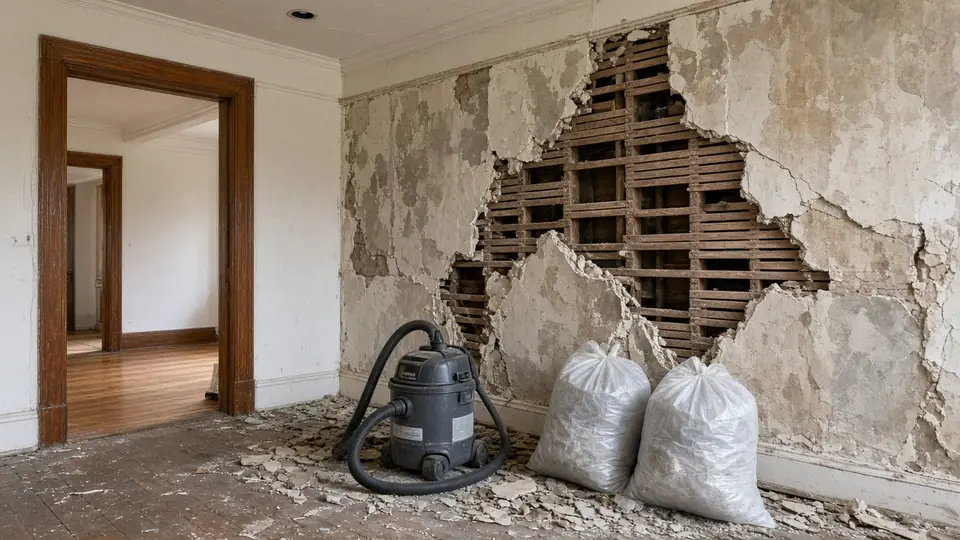
- You can see the stain but not the source A survey follows the damp back to its entry.
- A report names mold to remove A separate company works from the written plan.
- A wet floor or wall since the last day or two Dry within the EPA's 24 to 48 hours.
- The stain returned after you painted Paint cannot stop water. A survey finds the route.
- Removal is done and the wall is still damp Drying and a fix for the path come next.
- Two quotes that do not agree Hold both against one written plan.
Questions
Questions about the three jobs
Can I skip the survey and go straight to removal?
You can, but you risk paying to remove what the water will return to. A survey costs a visit and gives you a plan. Ask any remover what they would do if the entry point stays open.
Do the three jobs have to happen in order?
Usually survey, removal, then the fix. A fresh leak can reverse that, because drying inside two days can head off growth. Give us the date the water arrived and we will help you choose.
Who decides what gets removed?
The written plan should. Ask the assessor to name each wall and material, then have removers quote against that list. If a remover wants to add items, ask for the reason in writing.
Does Mold Removal Montclair choose the contractors for me?
We help you book the assessment and tell you what to ask. You pick the removal or drying company yourself, and the agreement you sign is between you and that company.
Three jobs
The three jobs, from the first wall to the last fix
Start here when you cannot find the source
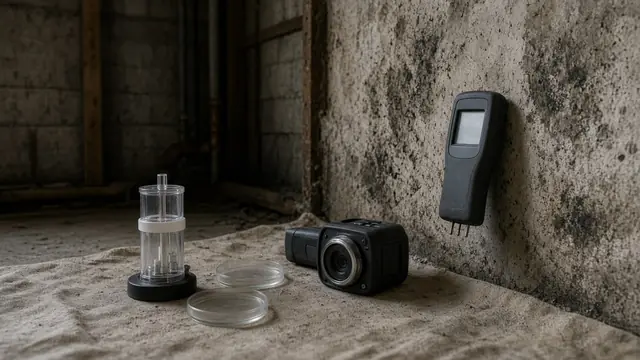
If you can see the damage but not the cause, begin with the assessment. It walks the uphill side first and writes down what is wet, what is moldy and where the water gets in.
Start here when a plan already exists
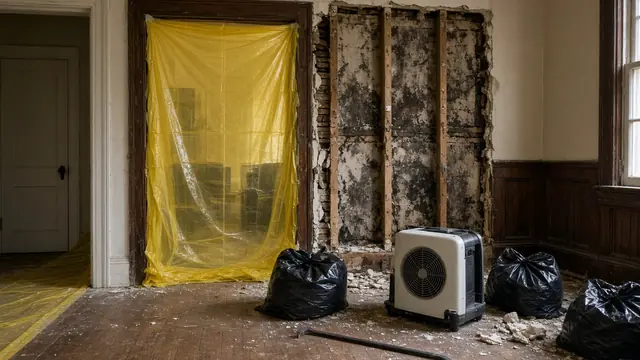
If a survey has named what to remove, go to remediation. Give each company the same written plan, and ask who confirms the result when the work ends.
Start here when the water is recent
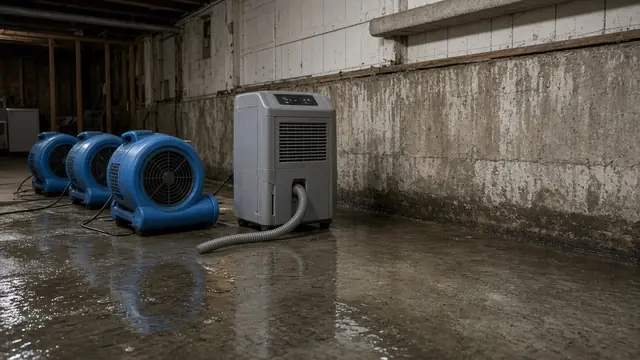
If wet materials have been wet for a day or two, go to drying first. The EPA's window for responding to water damage is 24 to 48 hours, before growth starts. If water is standing near outlets or the panel, stay out and call an electrician first.
Why three companies and not one
The company that finds a problem should not be the only one paid to fix it. Keeping the jobs apart gives you a plan you can compare against more than one price. We help you start with the survey, and we do none of the contracting work ourselves.
Order of work
How a request moves from the first call to the fix
- 1
Name your wall
Say which side faces uphill and which months it turns damp.
- 2
Meet the assessor
Someone checks the uphill edge, then follows the damp across.
- 3
Compare scopes
Give the written plan to removers or dryers and compare lines.
- 4
Close the route
Ask who fixes the path the water took.
- 1
Where does the water get in, and how do you know?
Look for the uphill wall, not only the stain.
- 2
Who checks the result after the work?
Someone besides the remover should confirm the job.
- 3
What happens to the path the water took?
Removal alone leaves the entry point open.
Guides
Guides behind the three jobs
Why Your Montclair Basement Stays Damp
How water crosses the hill into your basement.
New Jersey Rules to Ask About Before You Hire
Five papers to ask for before you hire anyone.
Damp Walls in a Rented Montclair Apartment
Notes, photos and a letter for renters with damp walls.
What the Paper Should Say Before You Pay for Work
A checklist for the report you are about to pay for.
What Moves the Cost of a Mold Job
Nine things that move the cost, and what to ask.
Water in the Basement: the First Two Days
First hours, then the route.
Find where the water gets in first. No commitment to ask.