Drying
Water came into the basement. Dry it now, then find the route it took.
Wet carpet, damp drywall or a wall that will not dry: the first two days matter most. Call us and describe what got wet. We help you book a drying company, then an assessor from a separate company if anything stays damp. Tell us which wall and which months.
We credit $100 on your first booked job in Montclair.
We help you get wet materials dried now, then a mold assessment from a separate company if anything stays damp.
The Uphill Side promise
- Talking to us is free and commits you to nothing.
- We point you uphill of the stain before anyone talks removal.
- Your assessor and your remover will be different companies.
- Your $100 is applied exactly as the offer terms are written.
Every contractor you hire answers to your agreement with them.
Mold Removal Montclair, (315) 640-3590
Read the terms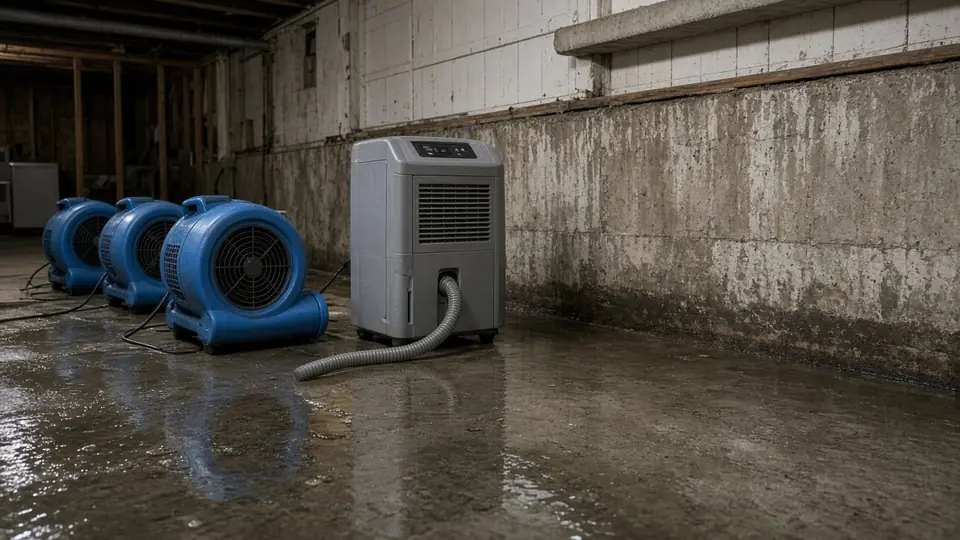
Questions
Before the fans start: what to settle
How quickly does a wet basement need drying?
As soon as you can. The EPA suggests drying wet materials inside the first 24 to 48 hours, before mold gets going. Call right away and say what got wet.
Can I dry the wall myself with fans?
Fans move air, but they do not reach water inside masonry or behind drywall. A meter shows whether the wall is really dry, so ask a drying company to read it.
Why does my basement get wet every March?
On a slope, soil water can sit above the rock in late winter and spring and seep sideways into the wall. Ask an assessor to check the uphill side.
Do I need a mold assessment after drying?
If everything reads dry and nothing smells, you may not. If damp returns or a smell stays, book an assessor from a separate company.
Does a brook near my street matter?
It can. Ask your town office what runs under your street, and pass that on when you book the drying.
Who keeps the drying records?
The drying company writes them and you keep a copy. Ask for readings with dates, and for the final reading before any wall is closed.
What if the water keeps coming back after drying?
Then the route is still open. Book an assessor to check the uphill side, and ask a masonry or drainage company to close the path.
The four checks
How the four checks shape a drying job
- 1
Which side is uphill
Tell the drying company which wall faces uphill. They can place the drying equipment where the water arrives, not only where it shows.
- 2
When the damp shows
Give them the date the wall got wet and the months it was wet before. It tells them whether this is a one-time leak or a seasonal route.
- 3
Bare or finished
Say what covers the wall. Drywall and padding over masonry dry slowly, and the plan should say what stays and what comes out.
- 4
Under your street
If a brook, culvert or storm drain runs near your street, mention it. Ask whether the plan assumes the ground will stay wet after storms.
The drawing
Following the water, then turning it
- 1
Street culvert
A brook in a pipe under the road can sit near a house.
- 2
Brook line
Where the old stream ran, the ground may stay wetter.
- 3
Entry route
The path the water took from the ground to your wall.
- 4
Fix point
Where a drying or masonry company closes that route.
Signs
When water is still finding its way in
- Wet carpet or padding after a storm Padding can stay wet while the carpet surface feels dry. Ask if it should come up.
- Drywall that is cool and soft to the touch Damp drywall may not dry in place on its own. Ask the drying company to read it with a meter.
- A damp line on the uphill wall in March A band of damp that returns each late winter can point to the route, not to a single storm.
- A dehumidifier that fills every day If it fills daily in a basement with no leak, something may still be feeding the room.
The year
When the hillside is wet
Match the months your wall turns damp to a band below. Tell your assessor which one fits.
- 1
Perched water November to May
- 2
Thaw and rain Late winter to spring
- 3
Ground drains May or June to October
- 4
Humid air July and August
Scope
What a drying job includes
- Moisture readings The company measures walls and floors, then marks what is wet and what is dry.
- Removal of materials that cannot dry Wet padding and soaked insulation are taken out so the structure can dry.
- Drying equipment Fans and dehumidifiers run until readings reach the target the company sets with you.
- Daily monitoring Readings are repeated so you can see the walls drying and not take it on trust.
- A written record The company records readings and equipment, so you can show what happened and when.
Run of work
How a drying job runs
- Cut off the source Shut off a leaking supply if you can reach it dry. Do not wade through water that touches an outlet or the panel. Get an electrician in first.
- Call and describe Tell us which wall and which months, then book a drying company.
- Agree a drying target Ask what reading will mean the wall is dry and how it will be checked.
- Book the follow-up look If anything stays damp, have a separate assessor check the uphill side.
Where you are
Three jobs, in this order
- 1
Survey the uphill side
An assessor finds the entry point before the stain.
- 2
Remove what is damaged
A separate company takes out what the survey found.
- 3
Dry and fix the path
Why the first two days decide so much
Mold needs moisture. The EPA's remediation guidance gives a 24 to 48 hour window to dry wet materials before growth starts.
So if the wet was recent, start with drying, not with a survey. Call as soon as you know what got wet. Tell the company what the materials are, and ask what they would remove and what they would try to save. Before anyone cuts out drywall or carpet, ask which reading shows it cannot dry in place, so you do not pay to replace what would have dried.
If water is standing near outlets, the panel or an appliance, stay out of it. Call an electrician before anyone starts drying.
A one-time leak, or a route that keeps opening
A burst pipe happens once. Seepage along a slope can repeat each season. Essex County's hazard plan notes that water tables peak from late winter into early spring, then bottom out in September or October.
If your basement is wet in March every year, drying alone only resets the clock. Ask the drying company to note where the water got in. Then book an assessor to check the uphill side, so the path gets fixed after the wall is dry.
The old brooks under your street
The Montclair Engineering Bureau names six waterways with floodplains, among them Toney's Brook and the Third River. It ties most flood zone parcels to undersized road culverts, or to building inside a natural floodway.
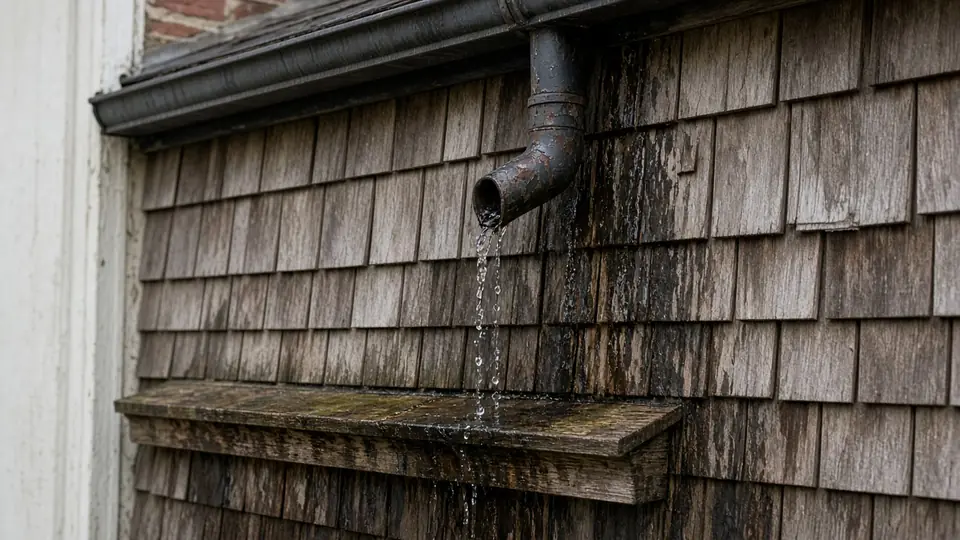
You do not need to live on a brook to be near one. Ask the town office what runs under your street. Then tell the drying company, so the plan expects wetter ground after storms.
Dry the wall, then fix the path
Drying makes a wall dry. It does not close the route. The next company in the sequence, usually a masonry or drainage contractor, works on the entry point once the readings are down.
Ask the drying company to write the likely path in their final record. Hand that note to the assessor or the contractor you book next, so they start where the water enters and not where the wall happens to be stained. That keeps you from paying twice: once to dry the wall and again when the water returns.
Paper
Records to keep after drying
- The first readings They set the starting point for the whole job.
- Daily readings Ask for them with each visit, with dates.
- The finish reading It shows the target was met before anyone closes the wall.
- The path note A line saying where the water got in, and who will deal with it.
Price
Why drying quotes differ
- How large the wet area is, and how deep it goes
- Whether finished materials must come out first
- How many days the equipment must run
- How hard the basement is to reach
- Whether the water entered once or keeps returning
- Whether the path the water took is fixed afterward
Guides
Further reading on drying
Why Your Montclair Basement Stays Damp
How water crosses the hill into your basement.
Damp Walls in a Rented Montclair Apartment
Notes, photos and a letter for renters with damp walls.
Water in the Basement: the First Two Days
First hours, then the route.
We credit $100 on your first booked job in Montclair.