Drying in Caldwell
Wet Caldwell basement? Dry it fast, then ask where the water came from
If water is standing in your Caldwell basement or soaking a ground-floor wall, the clock matters. Call to book drying now, and ask the drying company to note which wall the water came through.
Wet basement in Caldwell: $100 off your first job in Caldwell, credited by us once it is booked.
We help you get wet materials dried now, then a mold assessment from a separate company if anything stays damp.
The Uphill Side promise
- Talking to us is free and commits you to nothing.
- We point you uphill of the stain before anyone talks removal.
- Your assessor and your remover will be different companies.
- Your $100 is applied exactly as the offer terms are written.
Every contractor you hire answers to your agreement with them.
Mold Removal Montclair, (315) 640-3590
Read the terms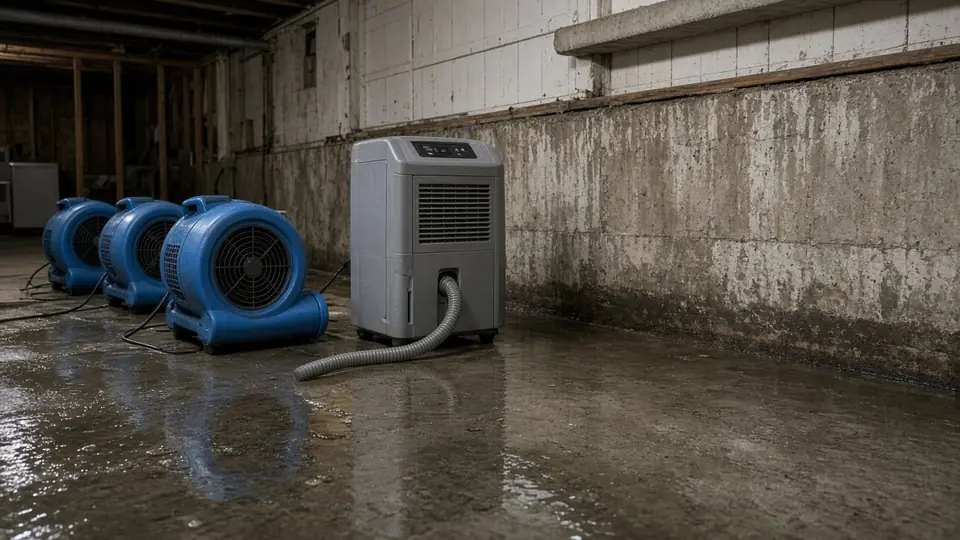
Questions
Practical answers on wet-wall drying for Caldwell owners
How fast should a wet Caldwell basement be dried?
As fast as you can book it. The EPA treats the first 24 to 48 hours as the window to dry wet material before growth starts. Call now, then ask for readings when the job ends.
Do I need an assessment after drying?
If the wall smells, stays cool or keeps showing a stain, yes. Ask the drying company for its readings, and book an assessment if anything looks wrong.
What if my Caldwell landlord is slow to dry a wet unit?
That depends on your lease and the facts. Put your request in writing and keep every photo. Ask the owner for a date, and ask a tenant adviser about your options.
Signs
Why a Caldwell owner ends up booking wet-wall drying
- Water came in after rain or thaw Note the date and which wall was wet. A seep after a wet week can point to water arriving across the slope, not up through the floor.
- A pipe, heater or washer let go A leak from inside the house has a different cause. Drying comes first, and a plumber fixes the source.
- Carpet or wallboard stays wet Wet porous material can grow mold if left. The EPA says to start within 24 to 48 hours, before any growth begins, so call early.
- The wall dried but the smell stayed A musty smell after drying can mean damp is still in the wall. Ask for moisture readings before anyone covers it.
Drying a Caldwell basement on the Second Watchung slope
If water is standing near an outlet, the panel or an appliance, stay out of it and call an electrician before you go in.
Caldwell's ground falls west from the mountain, and its soils hold water over shallow rock for part of the year. After heavy rain or a thaw, a wall facing uphill may seep while the opposite wall stays dry.
When you book drying, tell the company which wall was wet and when. Ask them to record moisture readings on that wall and on the one across the room. Ask them to write down where they think the water entered, and keep that page.
Drying alone does not stop the next seep. If the entry point is on the uphill side, the fix may be outside or in the foundation, and a separate contractor does it. Bring the drying report to that conversation so nobody starts from zero.
Ask the drying company to say in writing what it dried, what it left in place and which materials stayed wet. If a wall cavity was not opened, that belongs on the page too.
Ground-floor units and shared basements in Caldwell buildings
More than half of Caldwell's homes are rented, and larger buildings are common. If water got into your unit or the shared basement, tell the owner at once and in writing. Include the date, photos and what you moved.
The owner books drying. Ask for the moisture readings when it ends, and ask whether anyone has looked behind the finished walls. If the readings are not on paper, you cannot show later that the wall dried.
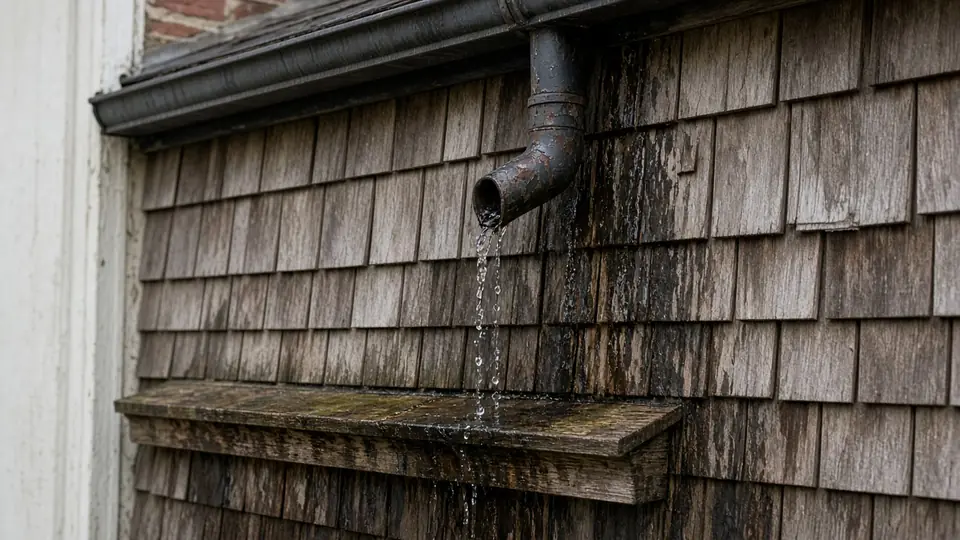
If the owner is slow, send a second note with the same photos and a date by which you want drying booked. Keep both notes. They are your record if the damp comes back.
If you own the building, ask the same questions of the company you hire. Check that its report names the wall, the readings and the date it finished, and file it with your closing papers.
A Caldwell water path that stays outside your wall
Not every wet wall means water entered through the foundation. The borough's plan says many Pine Brook culverts cross private land where it has no jurisdiction. Ask who owns the pipe near you, and tell the drying company if one runs close.
Caldwell has no formal damage list, so your own photos and notes are the record. Keep them with the invoice, and ask for a copy of any report the drying company writes before you pay the final bill.
Other jobs
When Caldwell needs a different first step
Nearby
Drying a few miles from Caldwell
Wet basement in Caldwell: $100 off your first job in Caldwell, credited by us once it is booked.