Drying in Clifton
Clifton Basement Wet After Rain? Start Drying Inside the Window
If rain got into your Clifton basement, you have about two days to dry wet drywall and boxes before mold can start. Tell us the address and when it happened, and we help line up drying, then the survey.
Wet basement in Clifton: $100 off your first job in Clifton, credited by us once it is booked.
We help you get wet materials dried now, then a mold assessment from a separate company if anything stays damp.
The Uphill Side promise
- Talking to us is free and commits you to nothing.
- We point you uphill of the stain before anyone talks removal.
- Your assessor and your remover will be different companies.
- Your $100 is applied exactly as the offer terms are written.
Every contractor you hire answers to your agreement with them.
Mold Removal Montclair, (315) 640-3590
Read the terms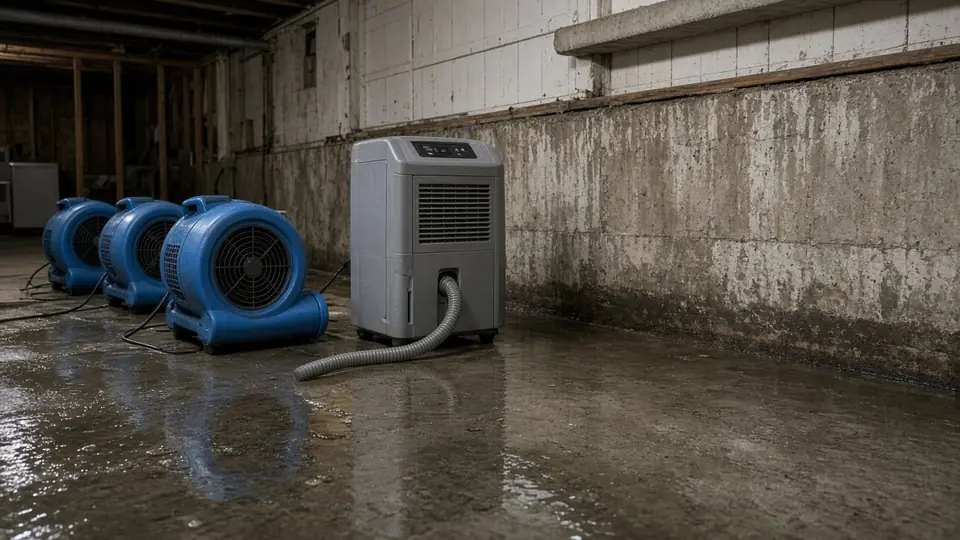
Questions
Wet-wall drying in Clifton: the short answers
How soon must a wet Clifton basement be dried?
The EPA says to respond within 24 to 48 hours and to have non-moldy items dry by hour 48. Photograph first, then start.
Is my Clifton water from a river?
No river is named for your street here, and more than half of paid claims are coded rainfall or snowmelt. Look at roof, grading and paving first, and let the survey confirm.
Do I need a survey if the basement is already dry?
Usually yes. Dry readings say the damage is handled. The survey says where the water got in, so the next rain does not repeat it.
What do I ask a Clifton landlord after water gets in?
Ask for the signed flood rider the state requires, send photos and dates in writing, and keep copies. Book the survey so the cause is on paper.
Signs
What Clifton households notice ahead of wet-wall drying
- Water after rain with no overflowing river Most Clifton claims were coded rainfall, so look at how water gathers around your house.
- Damp carpet or wallboard on day two The EPA's window is tight, and day two is when the question changes.
- A wall that soaks every March A late winter return can point to water moving through the ground to your wall.
Clifton's first two days after rain gets in
The EPA's response window runs 24 to 48 hours from the wetting, before growth starts, and drying of items not yet moldy should finish by hour 48. Photograph the water first, with the time. If standing water reaches an outlet, the panel or an appliance, keep out and have an electrician make it safe first. Then raise what you can off the floor and call a drying company.
Tell the dryer how deep the water was, how long it stood and which wall took it first, and whether it came in during rain or after it had stopped. Ask for moisture readings in the walls and the slab at the start and at the finish. Those numbers go to the assessor afterward.
If wallboard or carpet has been wet beyond two days, ask the dryer what has to come out. Do not decide that yourself.
Be ready for the dryer's questions. How long was it wet? Did the water come in through the floor, the wall or the window well? Was it still rising when you found it? Your photographs answer most of them.
Clifton's rain claims, and why the map does not decide it
Federal records show 167 paid flood claims in Clifton, and more than half were on properties rated outside the mapped hazard area. Most are coded as rainfall or snowmelt collecting.
Read that as a practical hint. Water here often collects around a house rather than arriving from a river, so the cause may be the roof, the grading or a paved yard. Walk the outside and note where water pools after rain, and which wall it pools against. Hand the list to the assessor, with your photographs of the wet wall.
Clifton sits in Passaic County, so its flood maps come from that county's study. Buying? Put your question about seepage, flood damage and standing water to the seller in writing. Renting? Ask for the signed flood rider.
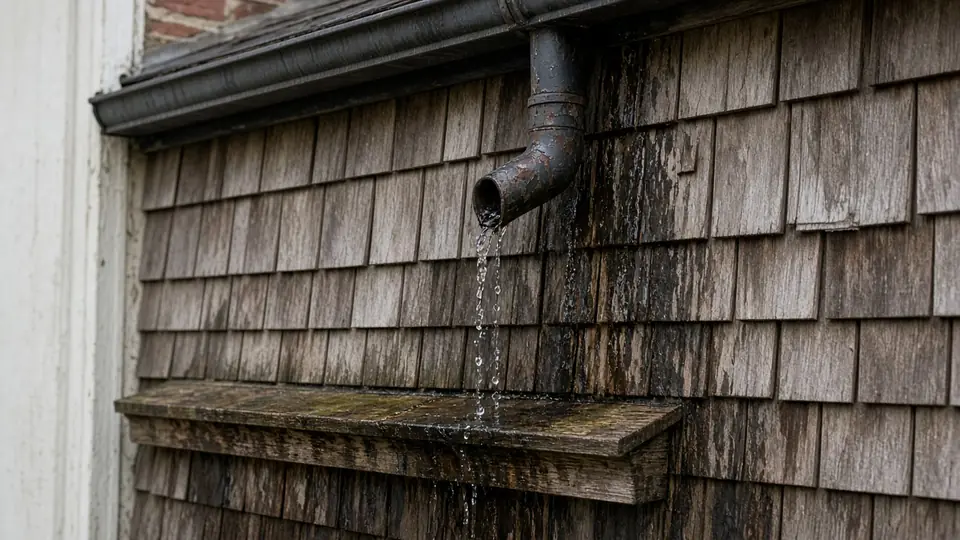
Check your gutters and downspouts in the next rain. A downspout that empties beside a basement wall can do what a river would. Photograph where it empties and tell the assessor, and ask whether to move it now if water is still coming in.
After a Clifton basement dries, book the way-in survey
Drying handles the damage. It does not tell you where the water entered. Once the readings say the structure is dry, book the moisture survey and ask the assessor to name the path and its side of the house.
Note the season too. If your wall soaks in March and is dry by September, tell the assessor, because a seasonal pattern can point to water moving through the ground.
Repair the path before the finish goes back, or the new drywall soaks too.
If you rent a Clifton flat, send the dryer's readings and the survey to the landlord in writing. Ask when the repair of the path will happen and who will carry it out.
Other jobs
Switching jobs in Clifton: the other two
Nearby
Towns next to Clifton, same drying
Wet basement in Clifton: $100 off your first job in Clifton, credited by us once it is booked.