Drying in Montclair
Wet Basement Drying in Montclair, Then Trace the Way In
If water got into your Montclair basement, start drying in the first day or two, then book a survey to find the route it took.
Wet basement in Montclair: $100 off your first job in Montclair, credited by us once it is booked.
We help you get wet materials dried now, then a mold assessment from a separate company if anything stays damp.
The Uphill Side promise
- Talking to us is free and commits you to nothing.
- We point you uphill of the stain before anyone talks removal.
- Your assessor and your remover will be different companies.
- Your $100 is applied exactly as the offer terms are written.
Every contractor you hire answers to your agreement with them.
Mold Removal Montclair, (315) 640-3590
Read the terms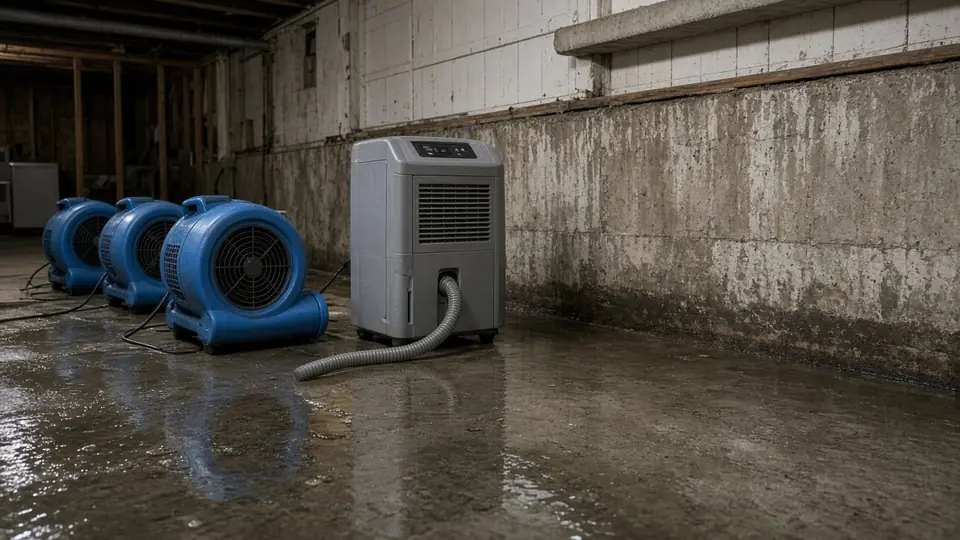
Questions
The usual doubts about wet-wall drying in Montclair
How soon should a wet Montclair basement start drying?
EPA's guide says to act within a day or two, before mold growth starts. Stay away from any outlet the water reached, then start with items you can carry out.
Is drying enough, or do I still need a survey?
Drying removes the water that is there. A survey finds where it came in, and a separate assessor should check if anything stays damp.
Is the brook behind my street the cause?
It might be, but the claims record points to rain more often than overflow. Ask the surveyor to read the uphill wall before you decide.
Will drying in April work like drying in September?
Not quite. The county puts peak water tables between late winter and early spring, so a spring job needs a plan for water still entering.
Signs
How Montclair walls show you it is time for wet-wall drying
- Carpet, cardboard or drywall stayed wet over a day Materials that stay wet can grow mold. Move what you can and call for drying.
- The water came after steady rain, not a burst pipe Rain crossing the slope is a different job from a leak. Tell the drying company which one you think it was.
- The room smells musty a week later Something stayed damp. A drying visit plus a survey will tell you where.
- The same wall wets again every spring Drying clears the water, not the route. Book a survey so the path is found.
Rain, not a river: what Montclair's flood claims show
Most of Montclair's paid federal flood claims are coded as rainfall or snowmelt, 156 of 301, against 90 for stream or river overflow. The township's engineers say most flood-zone parcels sit on floodplains that undersized road culverts, or building in a natural floodway, created.
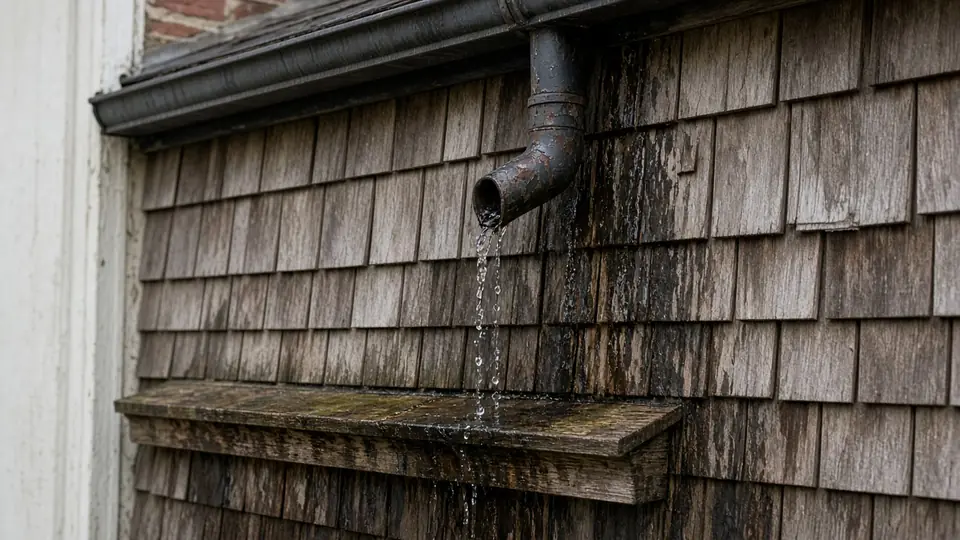
So the water in your basement may have crossed the hill from above rather than come up from a brook below. Tell the drying company what the weather did the day it got in. It changes where they look for the wet, and it tells the later survey where to start.
Do not assume the closest brook is to blame. Do not assume a quiet street rules a brook out, either. Write down what you saw and let the readings sort it out.
The first two days in a Montclair basement
EPA's guide says to act within 24 to 48 hours, before growth starts. First, stay clear of standing water around any outlet or cord, and phone an electrician before anyone plugs in equipment. Then carry out rugs, boxes and furniture. Photograph what got wet before it moves, and keep a list.
Ask the drying company to write down moisture readings on each visit, starting with the wall closest to the slope. Those numbers show whether the wall is drying or still being fed. If the numbers stop falling, call the company and say so.
Before equipment goes in, ask for a written list of what each visit covers. If the company wants to tear out a wall, ask which reading shows it is wet. That keeps you from paying twice for one wall.
Do not close up a wall because it feels dry to the hand. Ask for the reading first, and ask what number counts as dry for that material. Keep the readings with your photos and the list of what got wet.
The street's culverts and the wet months on your Montclair slope
County planners put the peak water tables between late winter and early spring, with the lowest in September or October. Drying a basement in April is not the same job as in September, because in April the ground can keep sending water to the wall.
Ask the drying company what they will do about water that is still entering. Then book the survey, so the uphill side gets checked and the path gets repaired. If you sell or rent the house later, the survey and the readings are the paper that shows what happened and what was done. Ask what runs under your street too: the township says 810 of about 11,000 parcels sit in a flood zone, most along Toney's and Nishuane Brooks.
Other jobs
Not the job you need? Two more for Montclair
Nearby
Drying in nearby towns
Wet basement in Montclair: $100 off your first job in Montclair, credited by us once it is booked.