Drying in West Orange
If Heavy Rain Got Into Your West Orange Basement: Dry It, Then Trace It
Rain got into your West Orange basement, and the carpet, drywall or boxes are wet. Get them dried quickly, then ask a separate assessor where the water entered if anything stays damp.
Wet basement in West Orange: $100 off your first job in West Orange, credited by us once it is booked.
We help you get wet materials dried now, then a mold assessment from a separate company if anything stays damp.
The Uphill Side promise
- Talking to us is free and commits you to nothing.
- We point you uphill of the stain before anyone talks removal.
- Your assessor and your remover will be different companies.
- Your $100 is applied exactly as the offer terms are written.
Every contractor you hire answers to your agreement with them.
Mold Removal Montclair, (315) 640-3590
Read the terms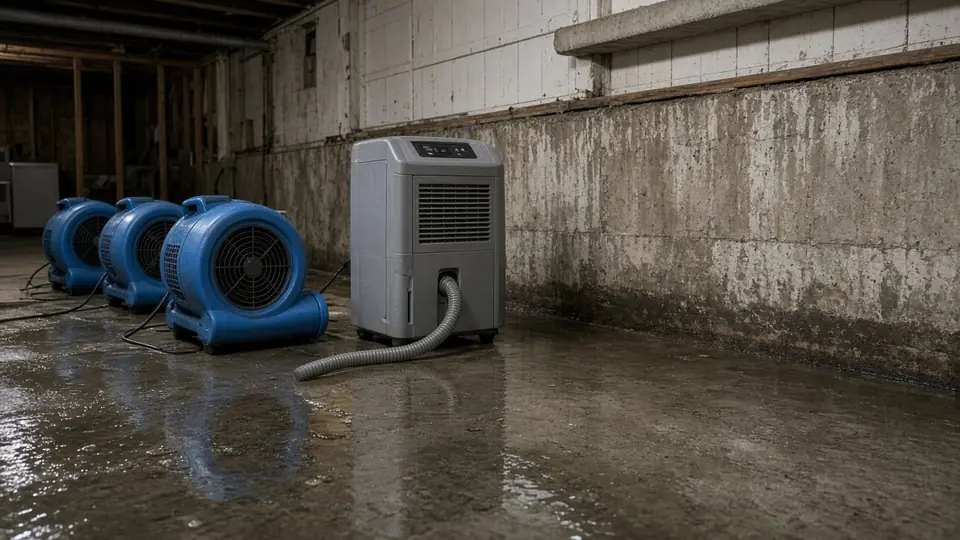
Questions
West Orange basics on wet-wall drying
How quickly should West Orange drying start?
EPA's guide points to the first 24 to 48 hours. Photograph the wet areas first, then ask the drying company when it can start.
Why does my West Orange basement get wet when the river is fine?
More than half of paid claims here are coded as rainfall or snowmelt, not river overflow. Rain can run downhill and through the soil to a foundation. Ask an assessor to find the entry point.
Can I go into my wet West Orange basement to start clearing it?
Not while water sits near an outlet, a cord or the panel. Keep out and get an electrician to look first. After that, carry out what you can and photograph it.
Signs
West Orange: the clues that lead to wet-wall drying
- Water after rain with no river nearby Rain can reach a basement with no river near. Write down when it rained and where the water came in, and photograph the spot. A note on whether the rain was steady or sudden helps the assessor read the pattern.
- Wet drywall that feels cool and heavy Drywall that stays wet for days can hold growth behind the paint. Photograph it, then ask the drying company for readings at several heights up the wall. Wet drywall can wick water upward, so the wettest part may be higher than the stain you can see.
- Water that returns after a dry week That can point to water still moving through the soil. Tell the drying company, because drying alone will not stop it, and a separate assessor may be needed. A returning wet patch is a sign the water has a path, and the path is what an assessment finds.
- Belongings moved out of the wet area EPA says to dry items that have not molded within about two days. Photograph them, then lift them up and out so air reaches the wall behind them. Soft goods such as rugs and cardboard go first, since they hold water longest.
Rain, not river, in more than half of West Orange's claims
Most of West Orange's paid federal flood claims are coded as rainfall or snowmelt, not river overflow, and most were small. Water in a West Orange basement can be rain that found a way in.
That shapes the job. Ask the drying company to find where the water came in, not only to remove it. Then ask a separate assessor to check the uphill wall if readings stay high after the equipment leaves, and keep every reading in one folder. A falling series of numbers is the best sign that the drying is working.
Before you go back down: outlets, equipment and the first visit
Water around outlets, cords or the panel is a job for an electrician. Keep out until one has looked, then bring in fans or dehumidifiers.
Before drying starts, ask for a written list of what each visit covers. Ask which reading shows each wall is wet before it is opened or replaced, so you do not pay twice for the same wall.
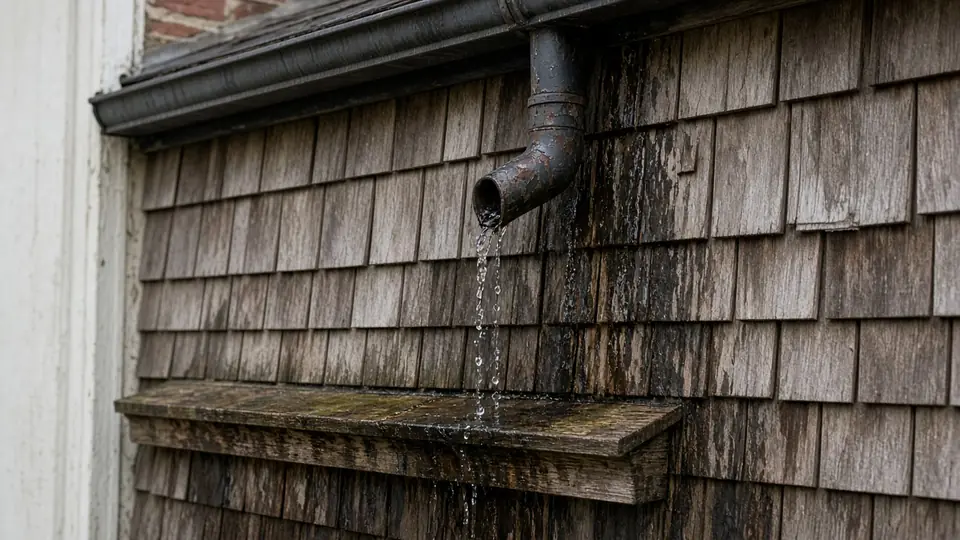
Write down the date and hour of the storm and the time the water first showed. Photograph the water marks before the drying starts, since they show how high the water stood.
What a dry West Orange wall should show before it is closed
A dry wall matches a dry wall elsewhere in the same house, not simply the feel of the room. Ask for written readings, and ask the same person to say whether the wall is dry enough to close.
If readings stay high once the drying equipment is gone, water may still be arriving. Book an assessment before you pay for new finishes. Keep the photographs, the readings and the invoice together, because you will want them if you sell or if you make a claim. Ask the company to note in writing which walls were opened and which were left closed. If a wall was left closed, ask what reading justified that.
Other jobs
Two other paths a West Orange owner can take
Nearby
Nearby towns that need drying too
Wet basement in West Orange: $100 off your first job in West Orange, credited by us once it is booked.